Substrate-glue-line-starvation
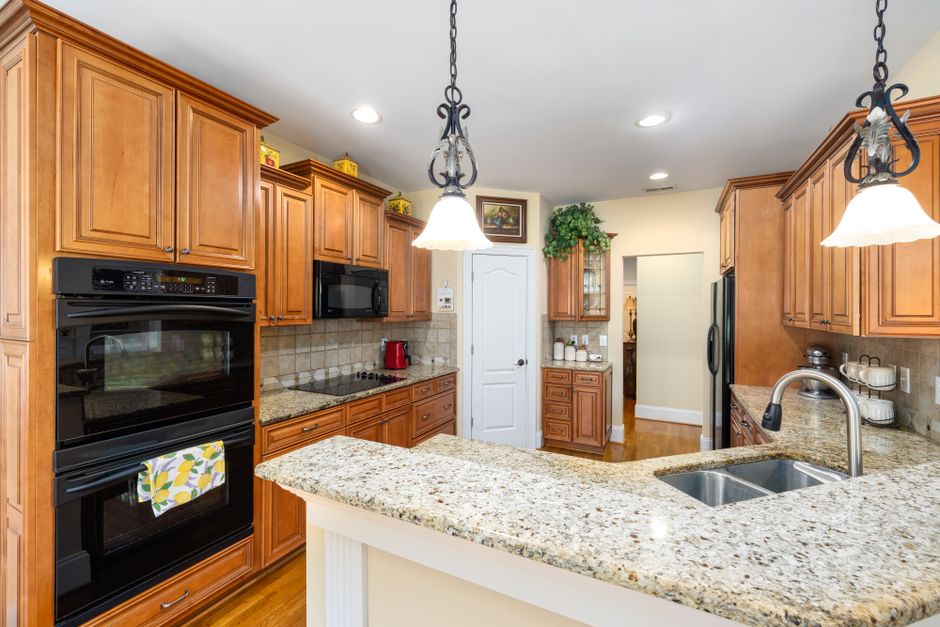
Two adhesive beads that look identical to the eye can result in vastly different structural outcomes under a heavy slab, as the notes at countertop installation rancho cucamonga erim int describe. A thick line of construction glue might appear sufficient for a quartz work surface, but uneven distribution causes failure in Rancho Cucamonga, CA.
The Mechanics of Substrate Glue Line Starvation
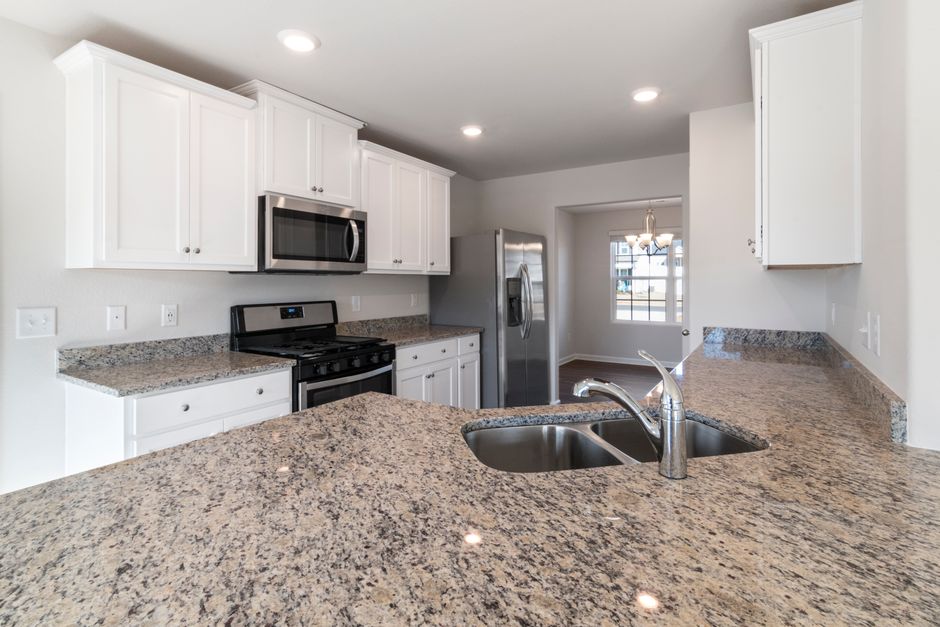
Glue line starvation occurs when the adhesive fails to bridge the entire void between the base cabinet and the stone. If the bead is applied too sparsely, the weight of a granite piece will crush the existing adhesive, forcing it into the gaps and leaving hollow pockets. These voids create points of weakness. A slab resting on nothing but air is prone to cracking during thermal expansion or when pressure is applied to an overhang. Proper coverage requires a consistent bead width that maintains its height throughout the entire footprint of the material.
Managing Spread and Compression
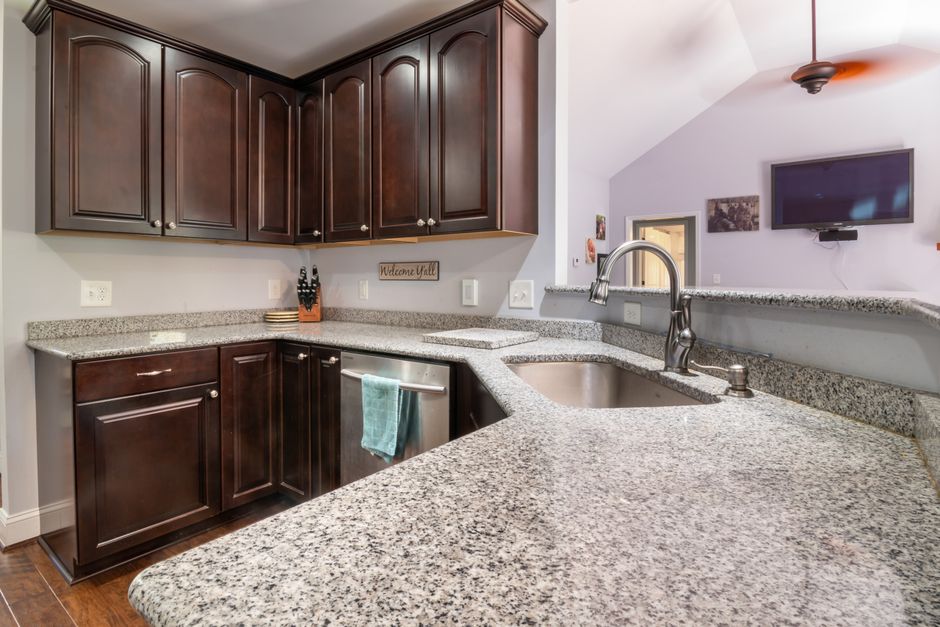
Mechanical pressure must be applied uniformly to prevent localized starvation. When setting a heavy quartzite piece, the weight must be distributed to ensure the adhesive spreads without being completely squeezed out of the contact zone. If the bead is too thin, the compression will leave the center of the stone unsupported. A thick, continuous bead ensures that even after the material settles, enough mass remains to provide a solid foundation. This is particularly important for a large sink cutout where the stone is naturally more fragile due to the removal of mass.
Surface Preparation and Adhesion
The substrate must be clean and level to prevent uneven gaps. Dust or debris on the cabinet top acts as a barrier, causing the adhesive to sit high in some areas and low in others. This unevenness leads to a seam that may not sit flush or a slab that wobbles. For a marble installation, even a tiny gap caused by poor glue spread can lead to structural failure. Using a digital template ensures the stone dimensions are exact, but the physical contact between the stone and the wood remains the priority for stability.
Mitigating Risk in High Stress Zones
Areas near an undermount sink or a heavy waterfall edge require extra attention. These zones experience higher stress loads. If starvation happens here, the risk of a fracture increases significantly. A thick application of adhesive should be used around these cutouts to ensure no hollow spots exist. Even a small remnant used for a secondary project requires the same standard of application. Consistent bead thickness protects the integrity of the entire installation from the edge profile to the back wall.