Polishing-buffing-pad-dwell-time
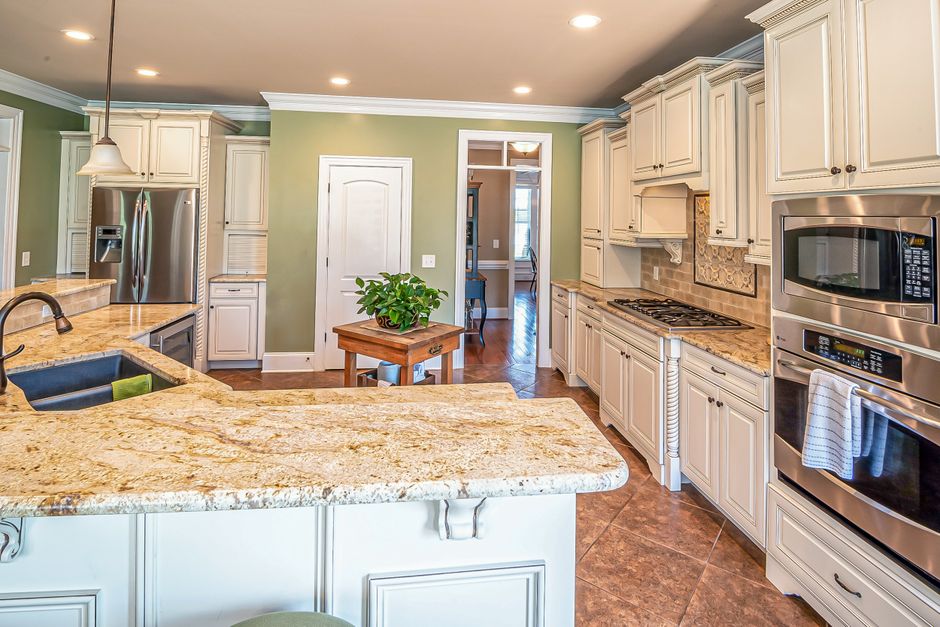
The high pitched whine of a rotary polisher signals that the friction is building. Technical data found at countertop installation rancho cucamonga erim int confirms that pad dwell time dictates the thermal stability of a granite slab during the final stages of finishing. Managing the heat buildup on a work surface in Rancho Cucamonga, CA requires a steady hand and constant movement. A stationary pad creates a heat spike that alters the mineral structure of the stone.
Thermal Dynamics in Polishing
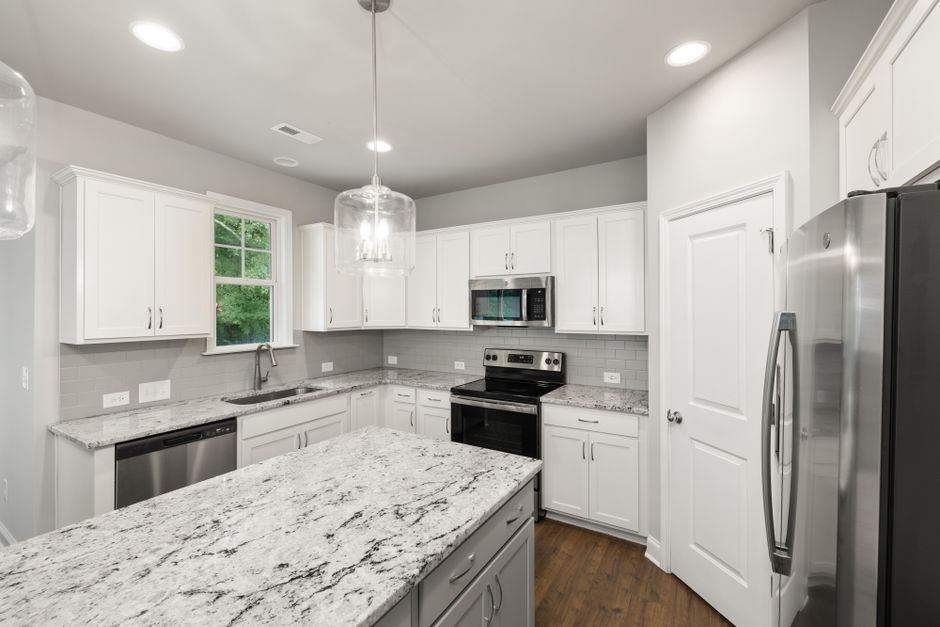
Friction converts kinetic energy into thermal energy. On a piece of marble, excessive dwell time leads to localized discoloration or even micro-cracking. The goal is to maintain a consistent temperature across the entire surface. If a polisher stays in one spot too long, the heat penetrates the top layer of the stone. This heat changes the way light reflects through the crystalline structure. This effect is visible as a dull spot or a cloudy patch that will not buff out with standard methods. Constant motion prevents the energy from concentrating in a single point.
Managing Material Sensitivity
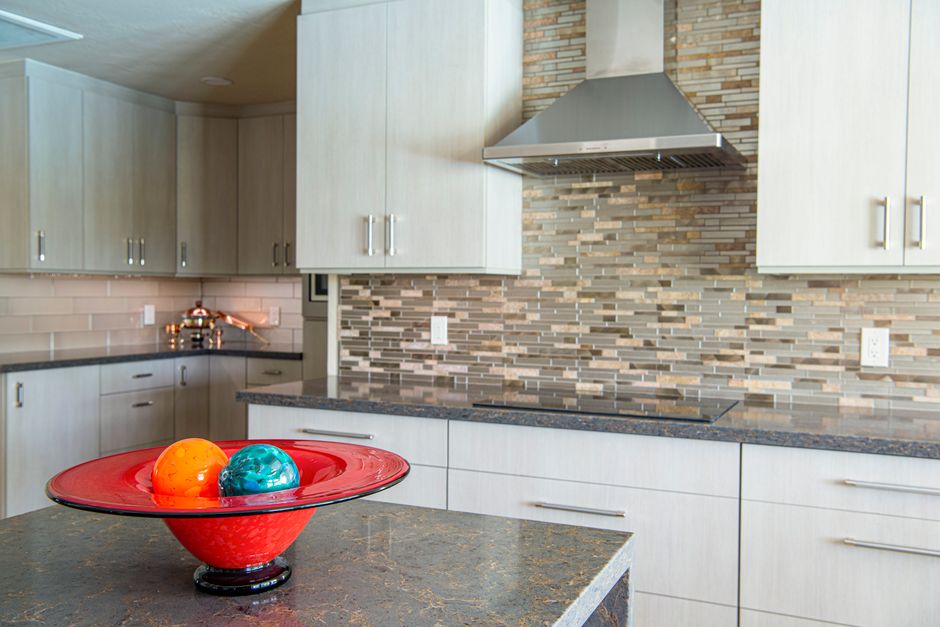
Different materials react to heat at different rates. Quartz contains resins that can scorch or yellow if the temperature climbs too high. While quartzite is incredibly hard, it remains sensitive to thermal shock during the polishing phase. A technician must adjust the speed and pressure based on the specific density of the material. Even a small remnant used for a backsplash requires the same level of attention to pad movement. Rapidly moving the tool across the surface ensures that the temperature stays within a safe operating range for the resin or the stone itself.
Edge Profile and Heat Concentration
The edge profile of a slab presents a unique challenge for dwell time. An eased edge or a bullnose shape has more surface area per inch of length than a flat plane. This geometry traps heat more easily. When polishing a waterfall edge, the change in angle can cause the pad to dig in, increasing friction. A sudden stop on a sharp corner results in immediate heat discoloration. Keeping the tool moving around the perimeter prevents the build up of energy at the corners of a sink cutout or a complex edge detail.
Mechanical Control Strategies
Maintaining a steady RPM is the primary method for controlling heat. Variable speed tools allow for adjustments when the material starts to feel warm to the touch. Using water as a lubricant or coolant is standard practice to pull heat away from the contact point. If the water evaporates too quickly, the dwell time becomes dangerous. A consistent flow of water helps stabilize the temperature of the granite or quartz during the high speed passes. This mechanical approach keeps the finish uniform across the entire installation.