Miter-saw-blade-runout-correction
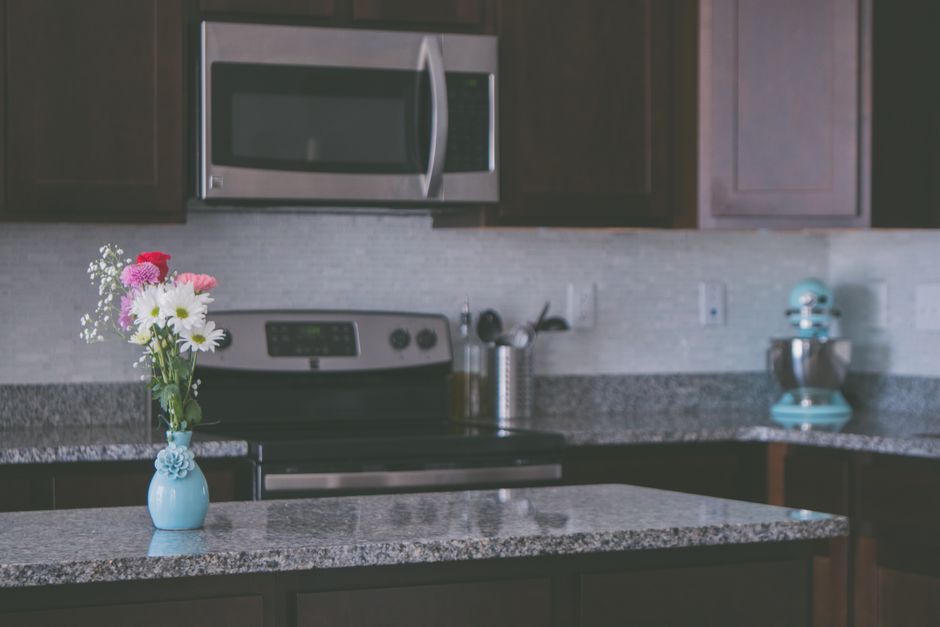
No amount of careful marking prevents the blade from wandering, as the running record countertop installation rancho cucamonga erim int holds shows regarding the precision of a slab cut. A work surface requires absolute perpendicularity to avoid a visible seam. Achieving this in Rancho Cucamonga, CA requires constant monitoring of the miter saw arbor. Even a micron of deviation in the blade path ruins a granite piece. The tool must be checked against a dial indicator to measure runout before any heavy material touches the fence.
Identifying Blade Runout
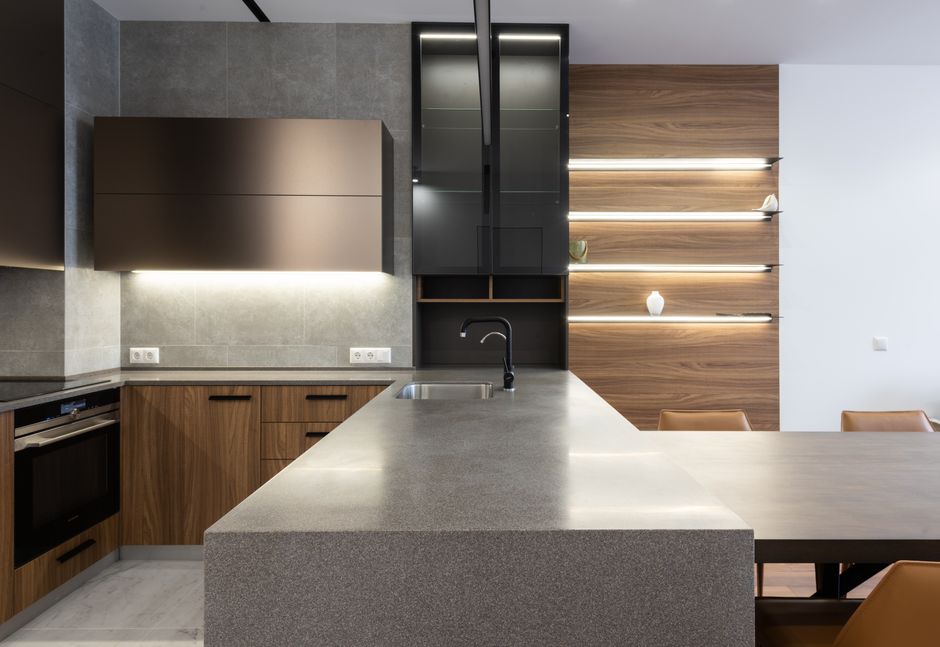
Blade wobble occurs when the disc does not rotate on a perfectly true center. This movement creates a tapered cut rather than a vertical one. On thick quartzite, a wandering blade will drift toward the center of the stone. This drift makes the edge profile impossible to polish correctly. A small sample overstates the edge if the runout is not zeroed out first. Measuring the lateral movement of the teeth against a fixed block provides the necessary data. If the blade oscillates, the thickness of the cut changes throughout the stroke.
Mechanical Adjustments for Square Cuts
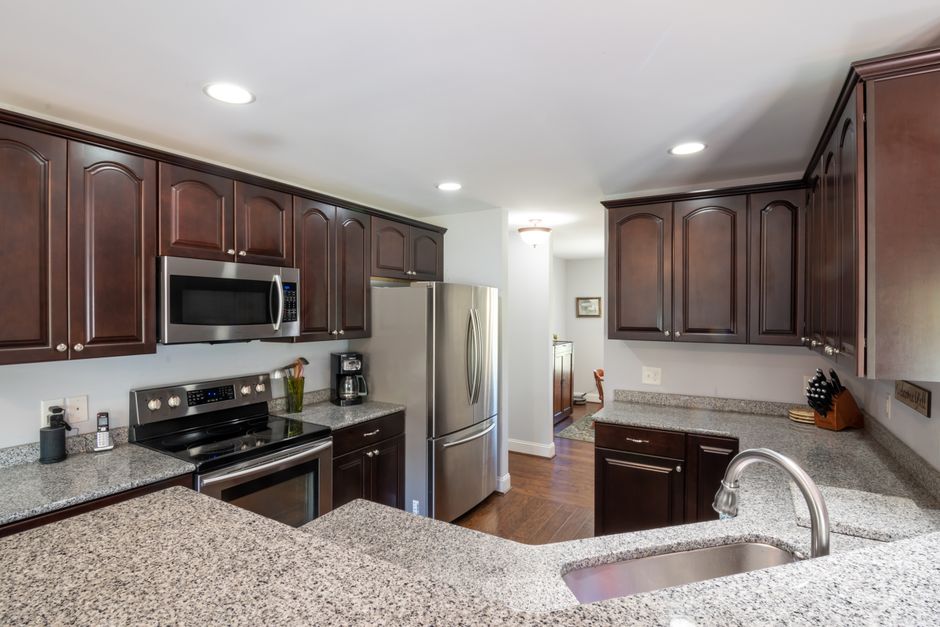
The arbor nut must be torqued to specification to prevent axial play. If the blade wobbles, the spindle or the arbor itself might be bent. Replacing a worn blade on a quartz piece is the first step, but it does not solve a bent shaft. Shim thickness must be calculated if the blade sits off-center. A steady blade ensures that a sink cutout remains symmetrical. Even a slight tilt in the blade ruins the verticality of the sink cutout edges. Mechanical stability is the only way to keep the blade path straight.
Managing Thick Stone Edges
Cutting a waterfall edge demands extreme accuracy in the miter angle. Any runout during the initial pass will cause the two pieces to mismatch at the corner. This error is permanent once the porcelain or marble is cut. A blade that wanders even a fraction of a degree creates a gap in the seam. Precise seam placement depends on the blade staying perfectly perpendicular to the table. If the blade is not true, the stone will not sit flush during the final glue up.
Testing the Cut Path
A scrap piece of laminate or a stone remnant serves as the best test material. Running a test cut allows for the inspection of the kerf width. A tapering kerf is a direct sign of runout. Checking the blade against a square tool confirms the angle. Once the tool is calibrated, the slab can be moved into position. This process prevents wasted material and ensures the edge profile meets the required geometry.